Blog

Renewable Resources Have a Timetable

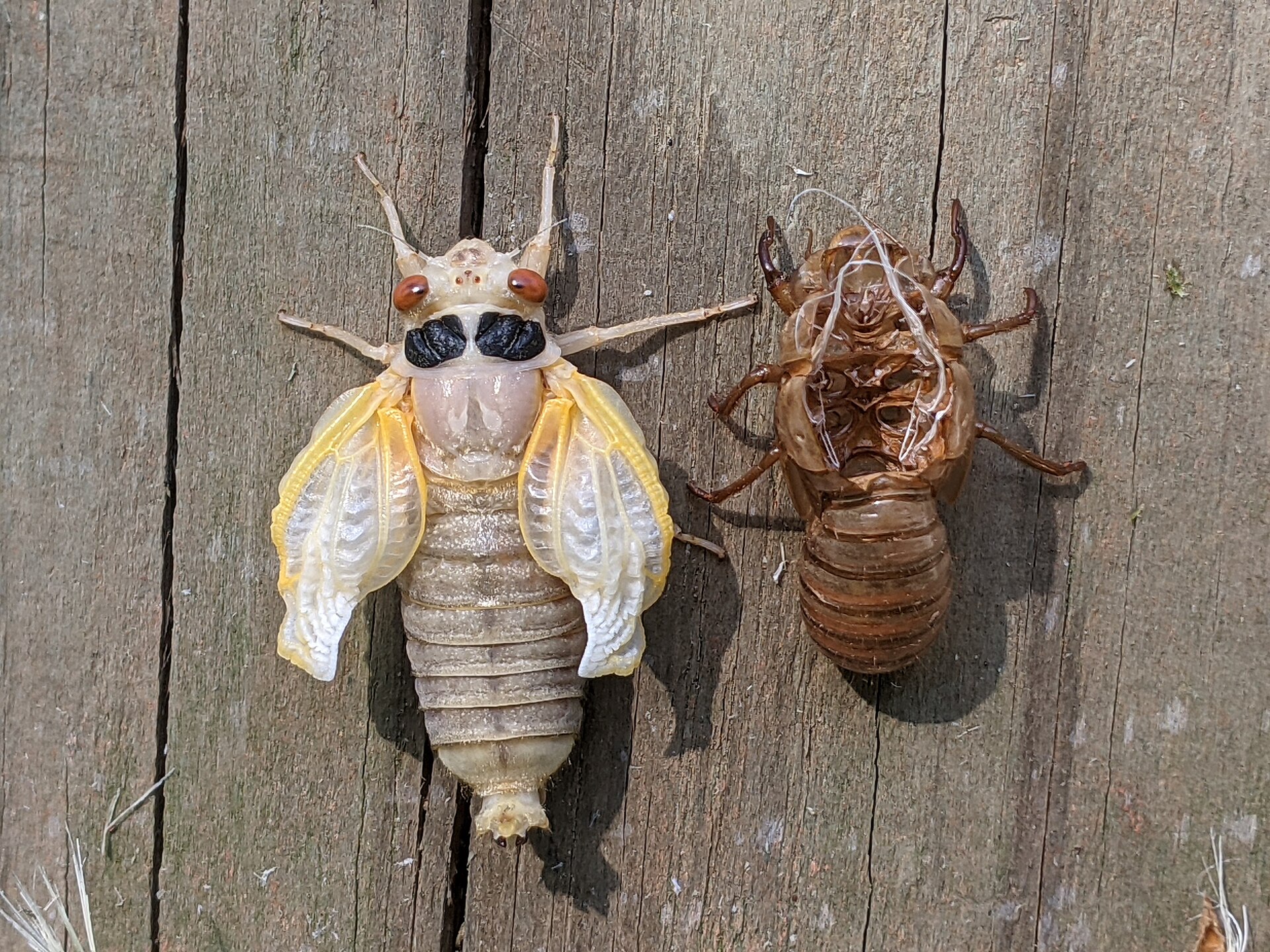
For years, the trees above a population of periodical cicadas can seem to hold no unusual appointment. Underground, young cicadas are developing. The familiar life cycles of Magicicada last thirteen or seventeen years, with most of that time spent beneath the surface. Then the adults emerge, bringing the dense choruses for which these insects are...
Read More

Why the Commons Need Rules

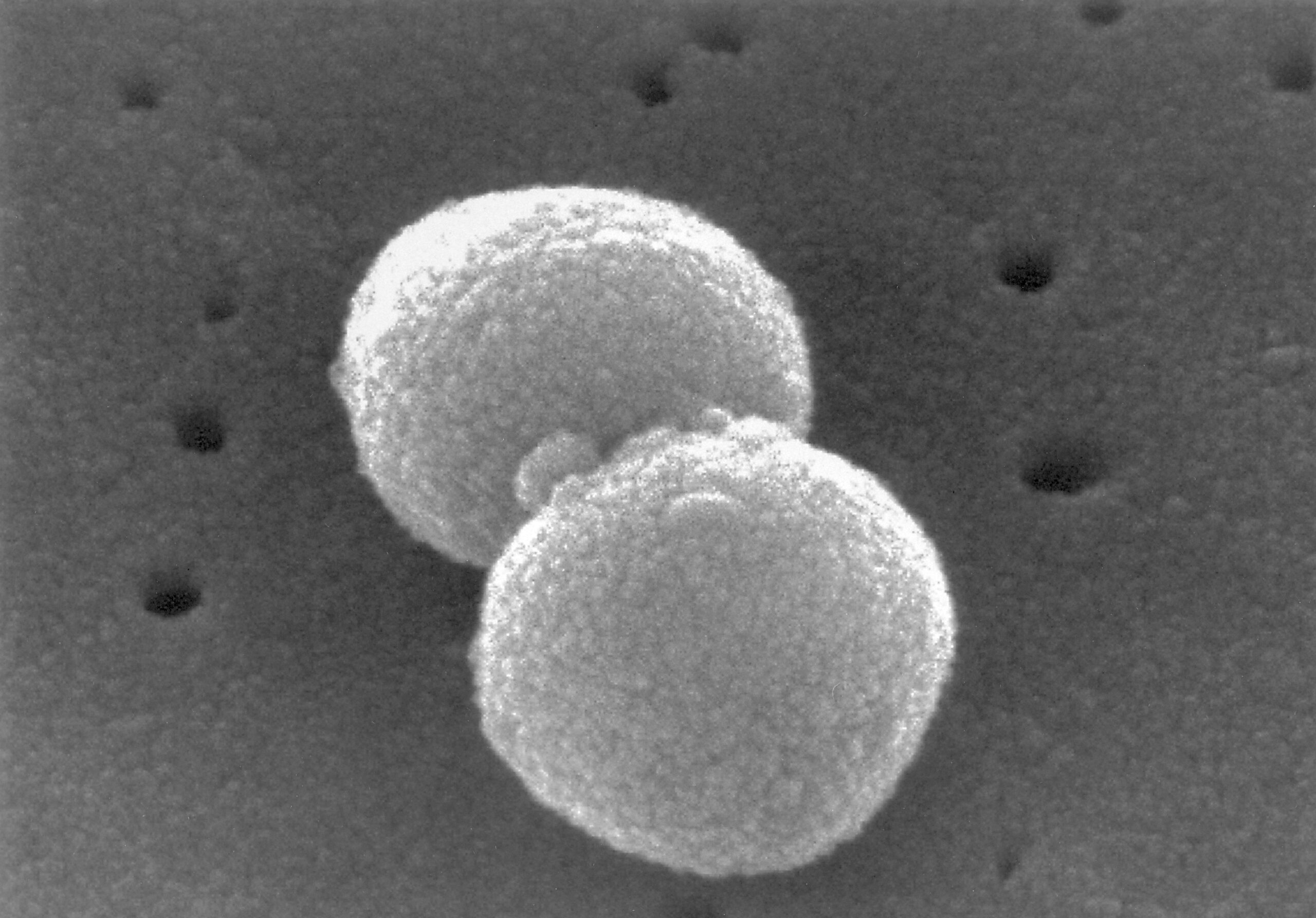
Bacteria can change their behaviour when chemical signals accumulate around them. In quorum sensing, cells release molecules and respond to their concentration, allowing some activities to depend on the presence of other cells. Even this apparently simple coordination involves more than counting neighbours. Experiments on pneumococcal bacteria showed that environmental conditions and cell history affected...
Read More

The Cost of Acting Too Late

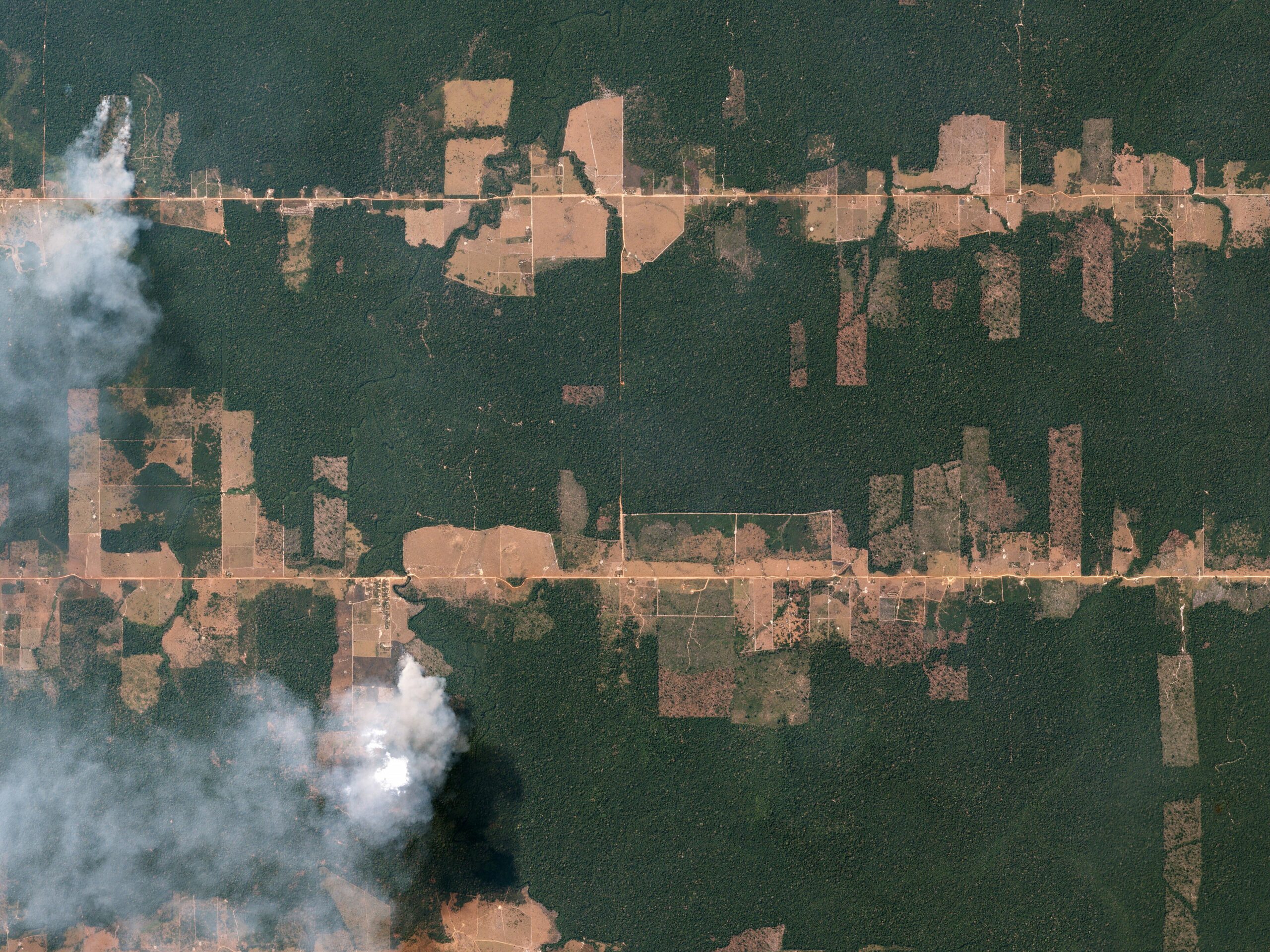
A woodland can retain plants whose future has already become precarious. After habitat is fragmented, the full loss of species need not occur immediately. Researchers comparing landscape histories and present distributions in Lincolnshire and Vlaams-Brabant found evidence of an extinction debt among forest plants with slow population turnover. That debt persisted more than a century...
Read More

Why Economic Needs a Conservation Principle

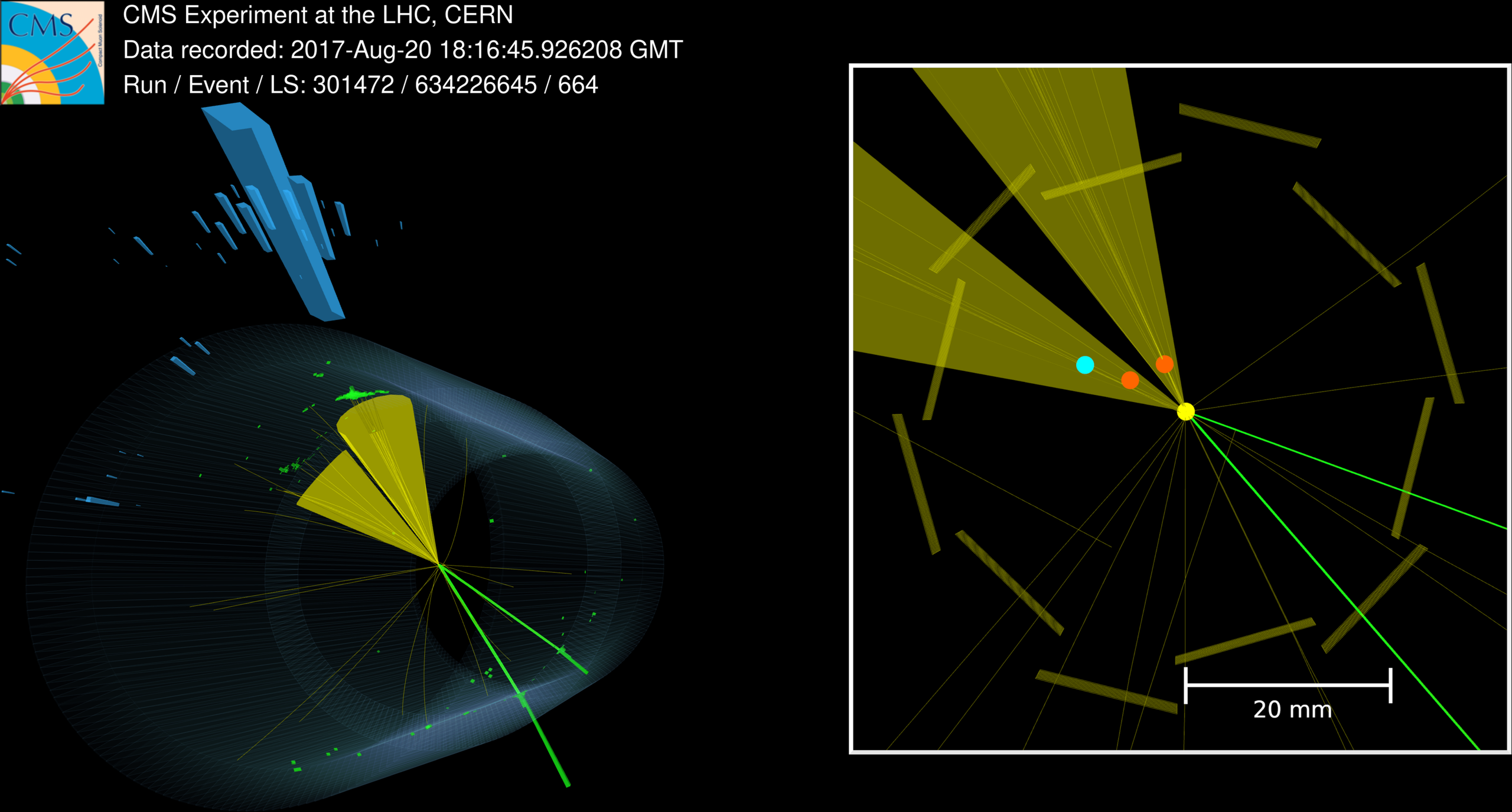
At CERN, a neutral Z boson can decay into an electron and a positron. Their electric charges are equal and opposite, so the total charge remains zero. An observer following only the electron would have an incomplete account of the transformation. Both products matter because a conserved quantity must be traced across the event. The...
Read More

Capital Exists Before the Property rights

The chicken and the egg become less puzzling when the question is given a history. Egg laying existed long before chickens. Shelled amniote eggs preceded them by hundreds of millions of years, and the lineage that became chickens already reproduced through eggs. The apparently circular question opens into a sequence of inherited conditions. The latest...
Read More

A Second Measure of Value

The same amount of energy can arrive as electricity or as heat supplied close to the temperature of the surroundings. These transfers offer different possibilities for obtaining work. Energy remains conserved during subsequent transformations, while its availability depends on the system and its surroundings. Heat supplied near ambient temperature offers little scope for producing work...
Read More

How Negentropic Value Includes Earlier Definitions

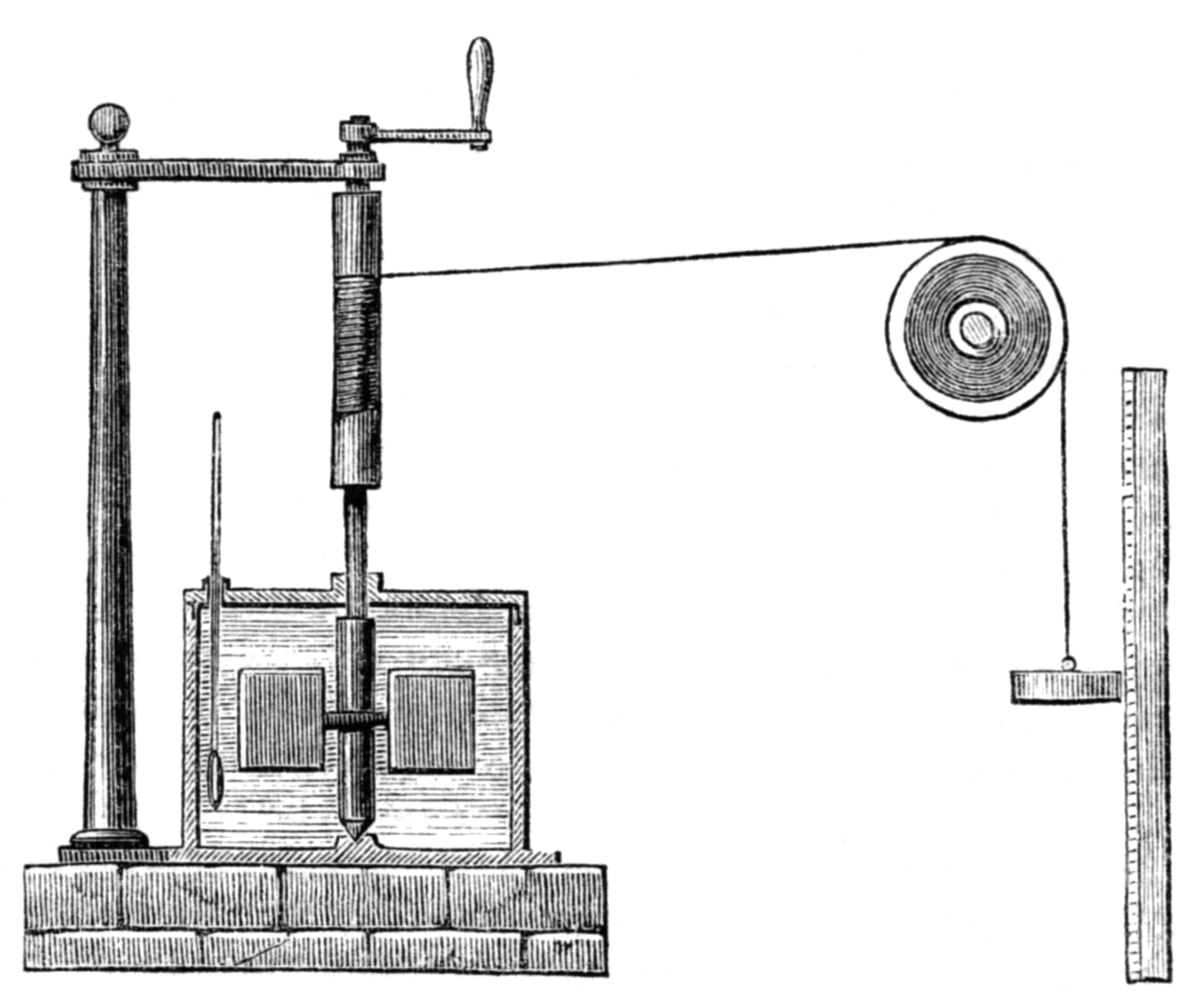
A falling weight turns a paddle in water, and the water warms. An electric current heats a conductor. James Prescott Joule compared such effects with extraordinary care, helping establish a common account of energy for mechanical work, electricity and heat. Thermodynamics connected transformations previously studied through separate theories; it did not make every electrical phenomenon...
Read More

What Makes an Economy a Living Structure

Yellow tubes spread between scattered food sources, thickening along some connections and retreating from others. In experiments published in 2010, food placed around a central site represented settlements near Tokyo. The slime mould Physarum polycephalum formed networks that compared favourably with the railway system on measures including transport efficiency and resilience. Its routes emerged through...
Read More

How Constraints Redirect Economic Evolution

A suit of armour can become a burden in a different environment. Researchers introduced marine sticklebacks carrying different armour variants into freshwater ponds. Over a generation, the variant associated with fewer bony plates increased in frequency after the plates developed, probably through a growth advantage. Selection had acted differently at an earlier life stage. The...
Read More

What Markets Can Do with Better Accounts

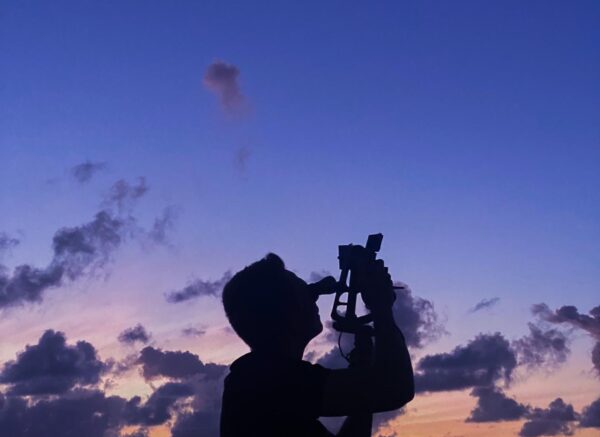
At sea, a ship's course is more useful when the navigator knows where the ship actually is. Celestial navigation connects observations of stars and other bodies with calculations made elsewhere. The first British Nautical Almanac appeared in 1766 with data for 1767, including information for determining longitude through lunar distances. Navigators measured the Moon's angular...
Read More

A Balance Sheet Beyond the Firm

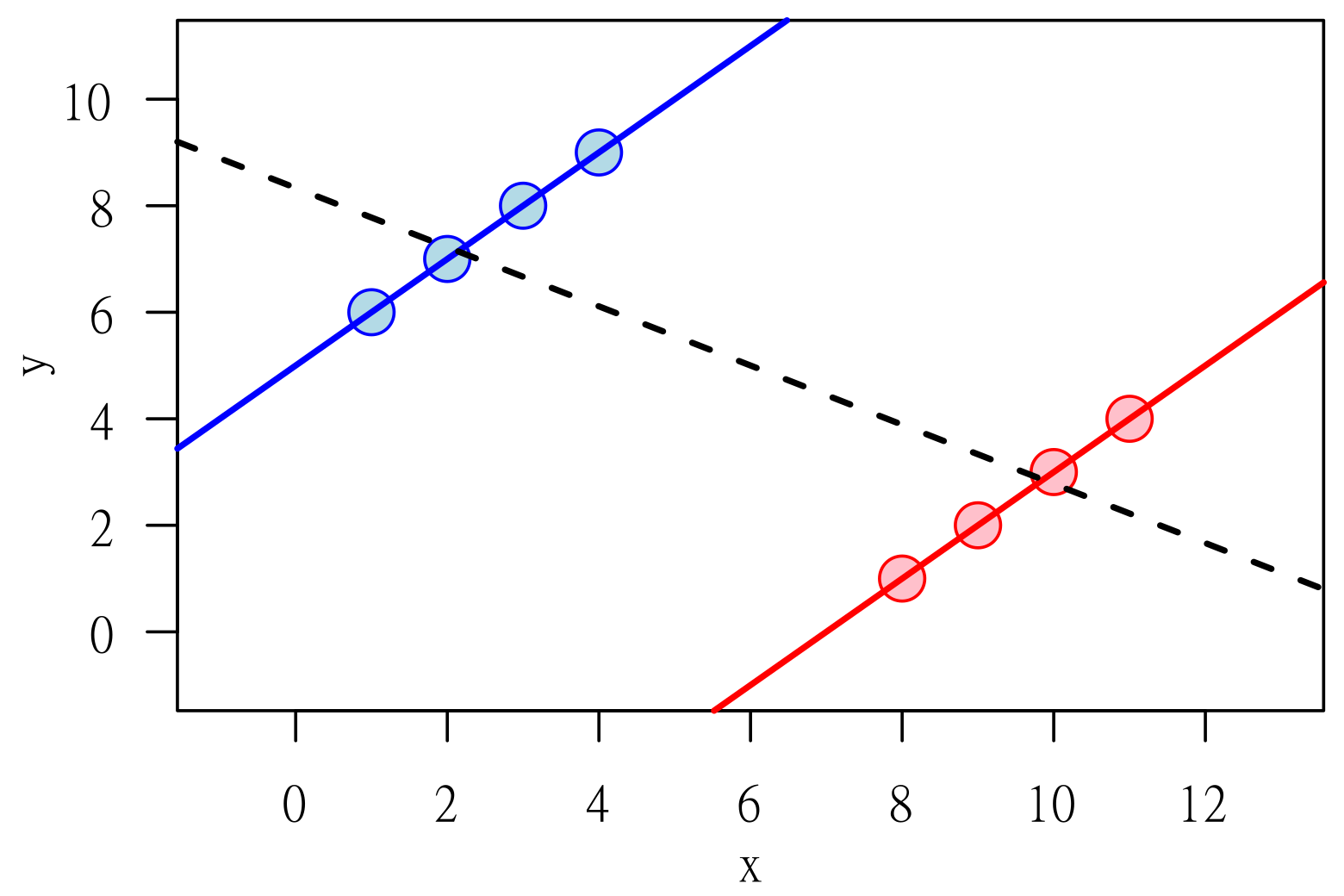
A historical comparison of kidney stone treatments produced an awkward result. Open surgery succeeded in 78 per cent of cases, while removal through a small access tract succeeded in about 83 per cent. Separate the patients by stone size, however, and surgery had the higher observed success rate in both groups. Surgery had treated many...
Read More

When the Cost Falls on Someone Else

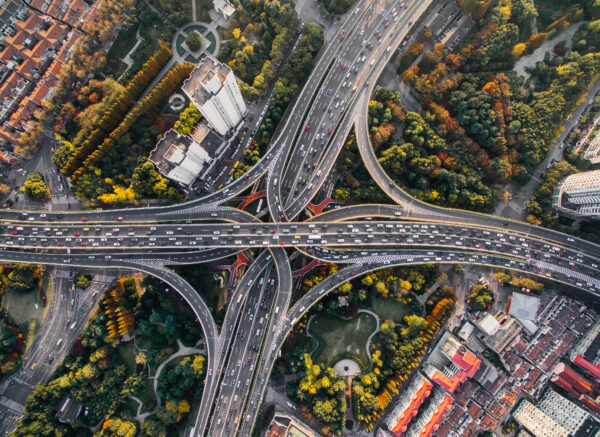
Adding a road can make everyone's journey slower. In the mathematical network studied by Dietrich Braess, drivers choose whichever route offers them the shortest journey under the traffic conditions they encounter. A new connection changes those choices. Traffic redistributes, congestion develops differently, and the resulting equilibrium can leave each driver worse off. The extra road...
Read More

Why Materials Become Harder to Recover

A spot of washable black ink spreads into coloured bands as water rises through a strip of paper. Paper chromatography separates components because their interactions with the moving liquid and the paper differ. The colours were already present in the mixture. Revealing them requires a suitable liquid, a material through which it can travel and...
Read More

The Real Cost of Renewable Energy

Even a perfect wind turbine must let the wind leave. Taking all the air's kinetic energy would stop the continuing flow through the rotor. In the idealised model behind the Betz limit, at most sixteen twenty-sevenths of the available power can be extracted, about 59.3 per cent. Real machines face further losses and constraints. The...
Read More

The Social Resources Behind Private Profit

Scatter dots across a page and connect a few neighbouring pairs. At first, the lines join small islands. Add enough connections and a large connected group can emerge, stretching across much of the page. Percolation theory studies transitions of this kind, including the conditions under which networks remain connected after failures. The change lies in...
Read More

Keeping Knowledge Usable

A molecular structure on a computer screen looks like a finished object: a folded ribbon, coloured by its parts, ready to rotate. Behind it sits a continuing human effort. Researchers collect evidence. Depositors describe their results. Biocurators examine the structure and its supporting information before it enters the Protein Data Bank. Shared conventions allow other...
Read More

How to Put Restoration into the Accounts

A cow leaves dung on a pasture. What happens next depends partly on animals easy to miss beneath our feet. In field experiments on orchardgrass, Daigo Yamada and colleagues placed equal quantities of cattle dung in plots receiving different numbers of tunnelling dung beetles, including plots receiving none. They followed the remaining dung and nutrients...
Read More

What No Balance Sheet Can Restore

A scanner measures what passes through an object from several directions. A computer uses those projections to reconstruct an interior that cannot be seen directly. Restrict the angles or leave measurements incomplete, and some features become difficult to recover reliably. An apparently clear image can conceal uncertainty in the information behind it. Researchers working on...
Read More

Freedom in a World with Limits

Imagine a bridge crossing a deep ravine. Its deck is wide enough to walk across comfortably, and guardrails run along both sides. Remove the rails. A pedestrian can now step in directions that were physically blocked before, including straight over the edge. Has freedom increased? For someone afraid of heights, the crossing may have become...
Read More

Social Darwinism and the Risk of Social Disintegration

Join four straight bars with hinges to make a rectangle, then push a corner. The frame can lean into a parallelogram while every bar keeps its length. Add a diagonal brace and it resists that movement. The bars have not become stronger; their relationships have changed. This simple demonstration shows why inspecting components separately can...
Read More

What Negentropic Money Would Pay For

Put several measurements into a table and ask which observations are closest. The answer depends on the ruler. A difference of ten means something different in centimetres and metres. Two measurements that usually move together can also repeat much of the same information. In 1936, Prasanta Chandra Mahalanobis described a statistical distance that accounts for...
Read More

News

Balance of externalities