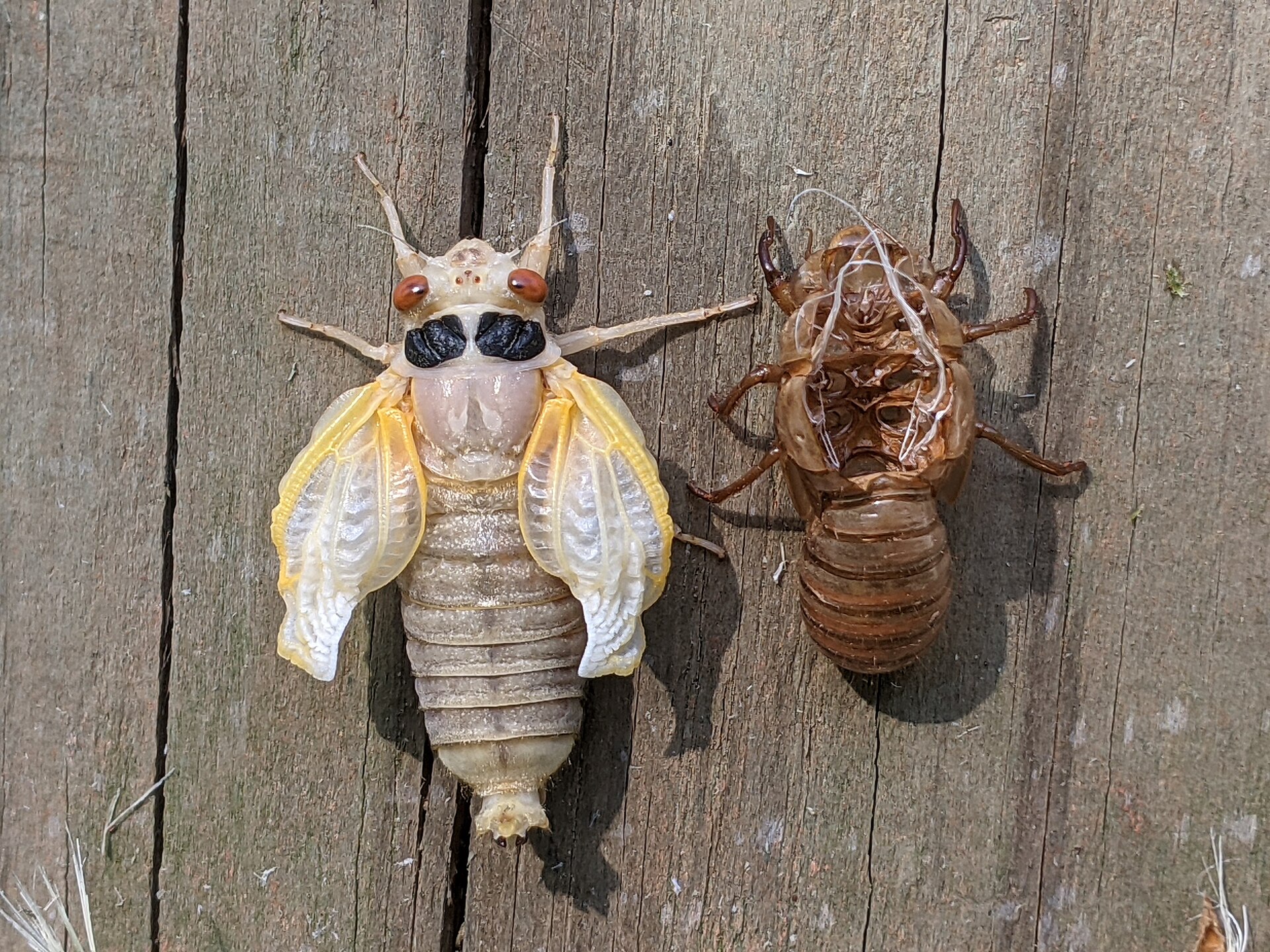
For years, the trees above a population of periodical cicadas can seem to hold no unusual appointment. Underground, young cicadas are developing. The familiar life cycles of Magicicada last thirteen or seventeen years, with most of that time spent beneath the surface. Then the adults emerge, bringing the dense choruses for which these insects are...Read More
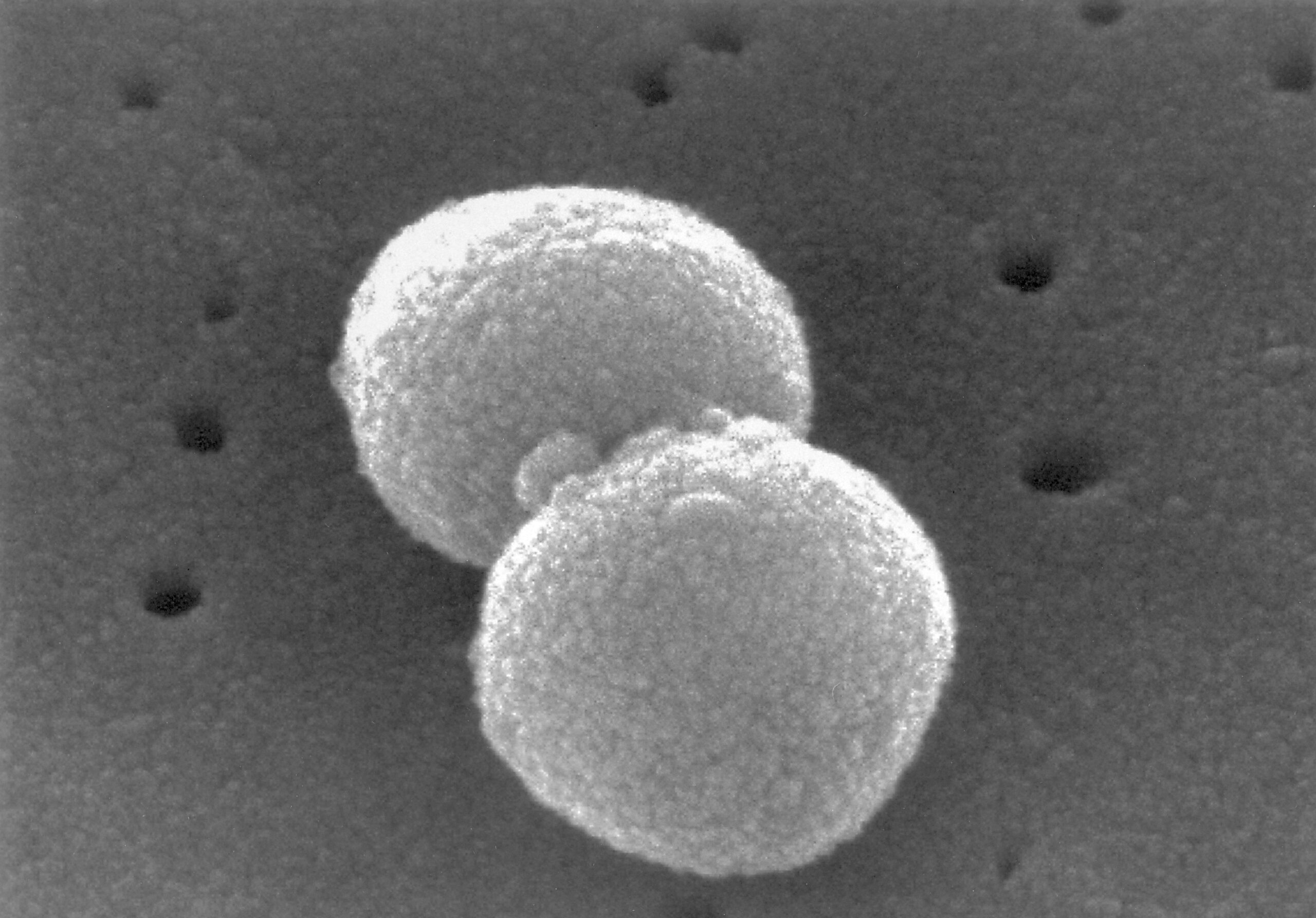
Bacteria can change their behaviour when chemical signals accumulate around them. In quorum sensing, cells release molecules and respond to their concentration, allowing some activities to depend on the presence of other cells. Even this apparently simple coordination involves more than counting neighbours. Experiments on pneumococcal bacteria showed that environmental conditions and cell history affected...Read More
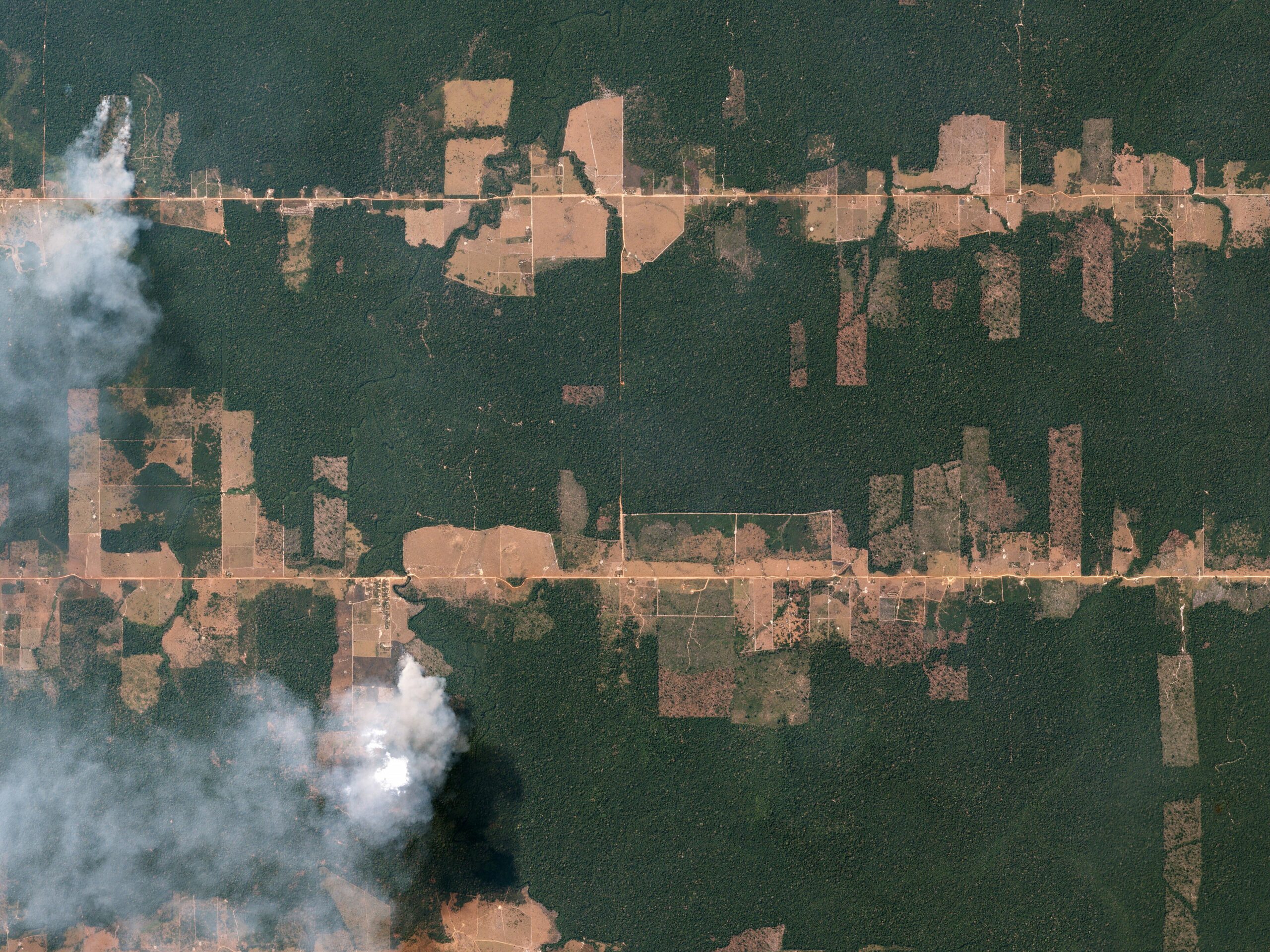
A woodland can retain plants whose future has already become precarious. After habitat is fragmented, the full loss of species need not occur immediately. Researchers comparing landscape histories and present distributions in Lincolnshire and Vlaams-Brabant found evidence of an extinction debt among forest plants with slow population turnover. That debt persisted more than a century...Read More
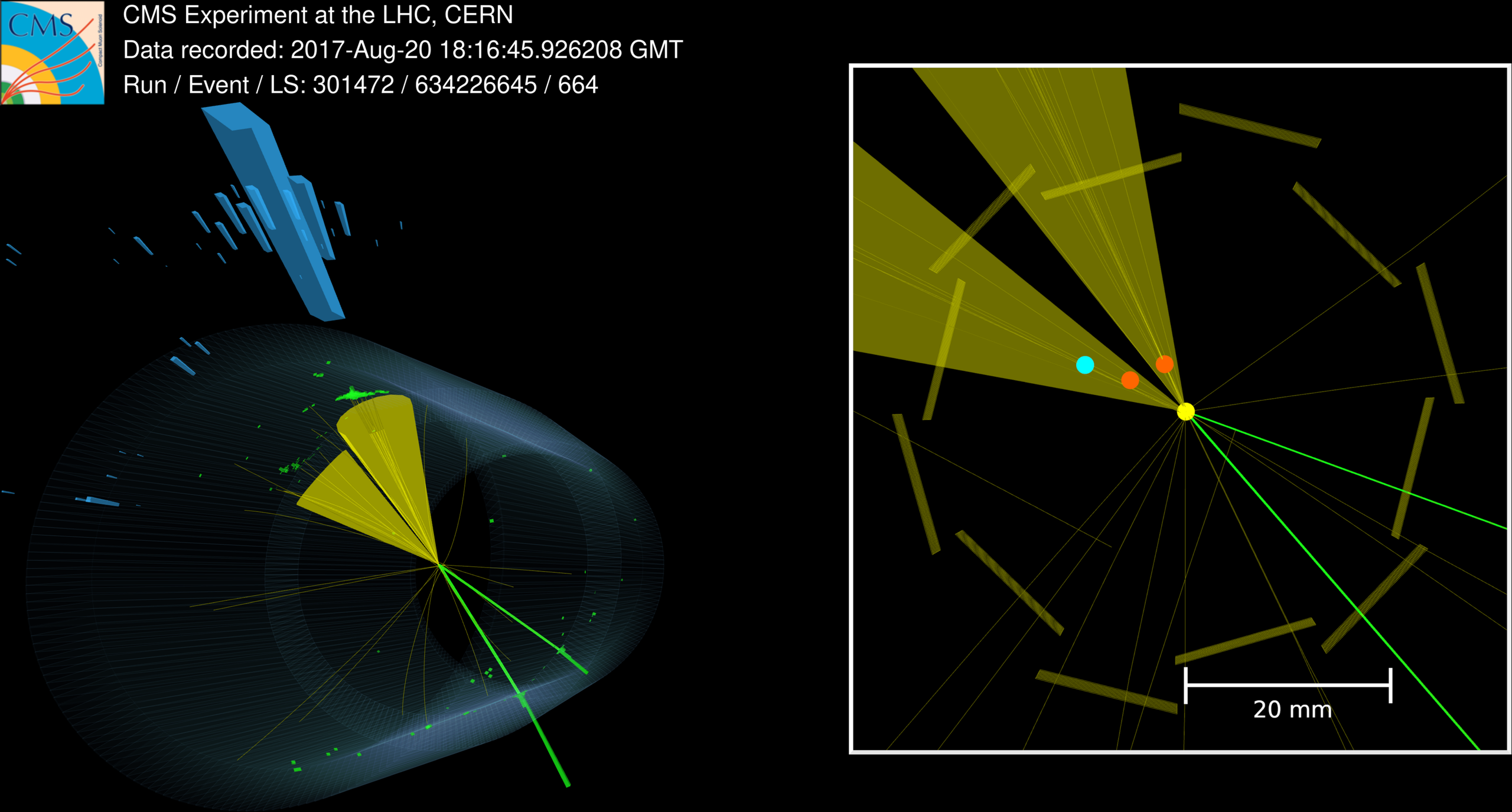
At CERN, a neutral Z boson can decay into an electron and a positron. Their electric charges are equal and opposite, so the total charge remains zero. An observer following only the electron would have an incomplete account of the transformation. Both products matter because a conserved quantity must be traced across the event. The...Read More
The chicken and the egg become less puzzling when the question is given a history. Egg laying existed long before chickens. Shelled amniote eggs preceded them by hundreds of millions of years, and the lineage that became chickens already reproduced through eggs. The apparently circular question opens into a sequence of inherited conditions. The latest...Read More
The same amount of energy can arrive as electricity or as heat supplied close to the temperature of the surroundings. These transfers offer different possibilities for obtaining work. Energy remains conserved during subsequent transformations, while its availability depends on the system and its surroundings. Heat supplied near ambient temperature offers little scope for producing work...Read More
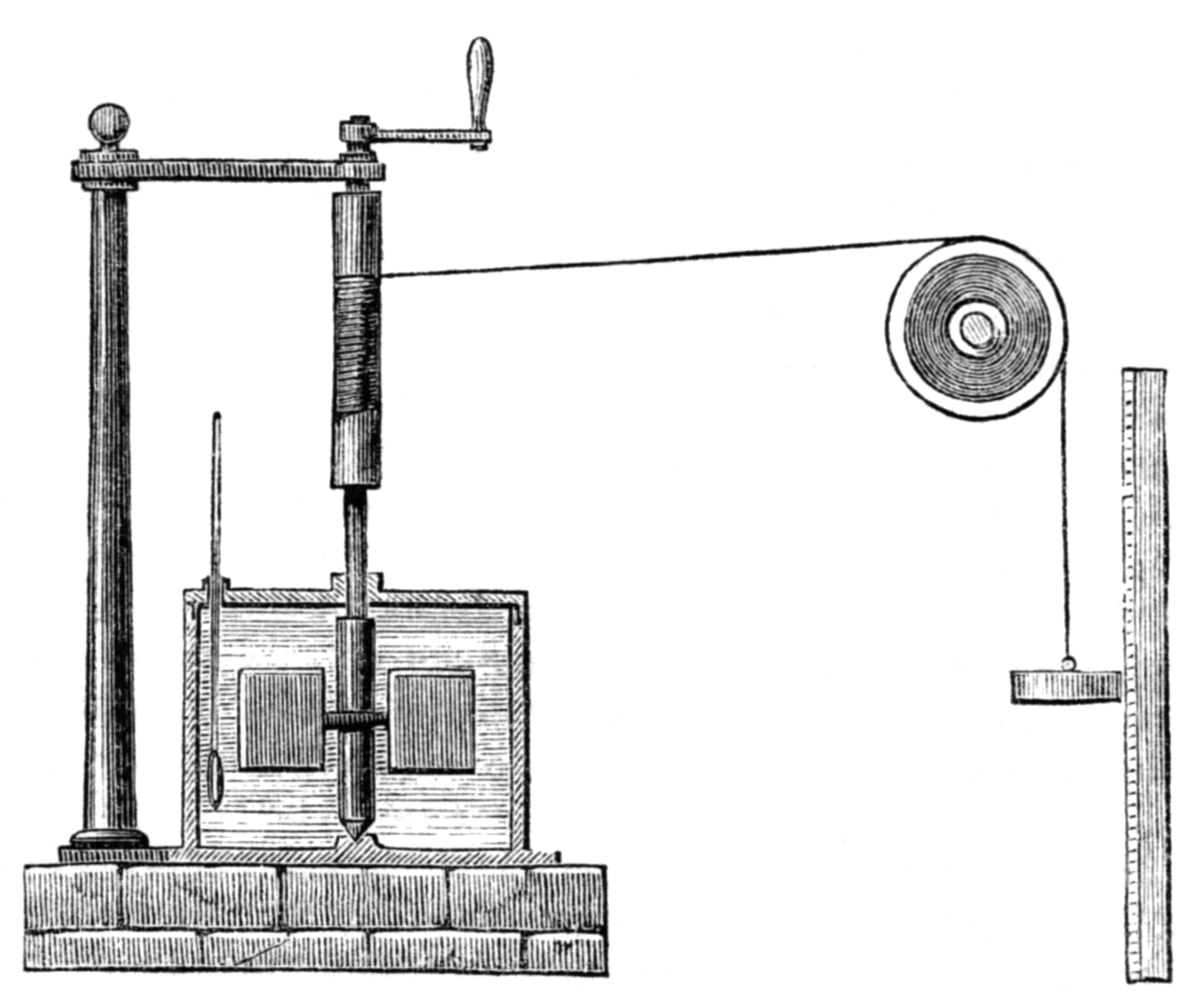
A falling weight turns a paddle in water, and the water warms. An electric current heats a conductor. James Prescott Joule compared such effects with extraordinary care, helping establish a common account of energy for mechanical work, electricity and heat. Thermodynamics connected transformations previously studied through separate theories; it did not make every electrical phenomenon...Read More
Yellow tubes spread between scattered food sources, thickening along some connections and retreating from others. In experiments published in 2010, food placed around a central site represented settlements near Tokyo. The slime mould Physarum polycephalum formed networks that compared favourably with the railway system on measures including transport efficiency and resilience. Its routes emerged through...Read More
A suit of armour can become a burden in a different environment. Researchers introduced marine sticklebacks carrying different armour variants into freshwater ponds. Over a generation, the variant associated with fewer bony plates increased in frequency after the plates developed, probably through a growth advantage. Selection had acted differently at an earlier life stage. The...Read More
At sea, a ship's course is more useful when the navigator knows where the ship actually is. Celestial navigation connects observations of stars and other bodies with calculations made elsewhere. The first British Nautical Almanac appeared in 1766 with data for 1767, including information for determining longitude through lunar distances. Navigators measured the Moon's angular...Read More